6 foods that trigger eosinophilic esophagitis

6 foods that trigger eosinophilic esophagitis

Eosinophilic esophagitis (EoE) is a health condition involving the accumulation of the white blood cell eosinophil in the esophagus. It is characterized by swallowing difficulties, chest pain, regurgitation, etc. Although this condition’s exact causes are unknown, an allergic reaction to specific foods or environmental agents can add to the risk. Doctors typically recommend eliminating and reintroducing specific foods to gauge which food group is the trigger. These food groups are likely to trigger EoE: Dairy and its products Milk protein often causes the body to produce excessive quantities of eosinophils, leading to EoE. Those with this condition may have allergic reactions to dairy in general or specific dairy products or forms. Eliminating dairy from your food routine and reintroducing it in stages can help you identify whether you are allergic to dairy. Wheat Gluten intolerance can be a contributing factor to the development of EoE. Studies have demonstrated that eliminating gluten for some days can help identify whether gluten intolerance is responsible for the development of EoE in one’s body. One must also consider that wheat is not only present in other baked items but also a latent part of oats, barley, and some ice creams. Look for gluten-free options while purchasing groceries and other eatables.
Read More

Early signs of breast cancer to watch out for

Early signs of breast cancer to watch out for

Cancer formation in the breast cells is known as breast cancer. Breast cancer is the second most common cancer diagnosed in women in the country after skin cancer. Although breast cancer shows no signs or symptoms in its nascent stage, early detection can save a person’s life. Knowing how a person’s breasts normally look and feel is important to breast health and cancer detection. Visit a doctor if any of the following symptoms arise. Early warning signs of breast cancer Stage 0 cancer is also known as non-invasive breast cancer. At this early stage, the tumor is very small and only detectable by a mammogram. However, people may not experience any symptoms at this stage. However, as the disease develops, the following symptoms may arise: Skin changes, such as redness, swelling, or other visible differences in one or both breasts. An increase in size or change in the shape of the breasts. Change in the appearance of one or both nipples. Nipple discharge (other than breast milk). General pain in any area of the breast. Lumps or nodes are felt on the insides of the breast. However, these symptoms may be caused by other benign causes such as eczema, an infection, or an unrelated illness.
Read More
6 warning signs of multiple myeloma

6 warning signs of multiple myeloma

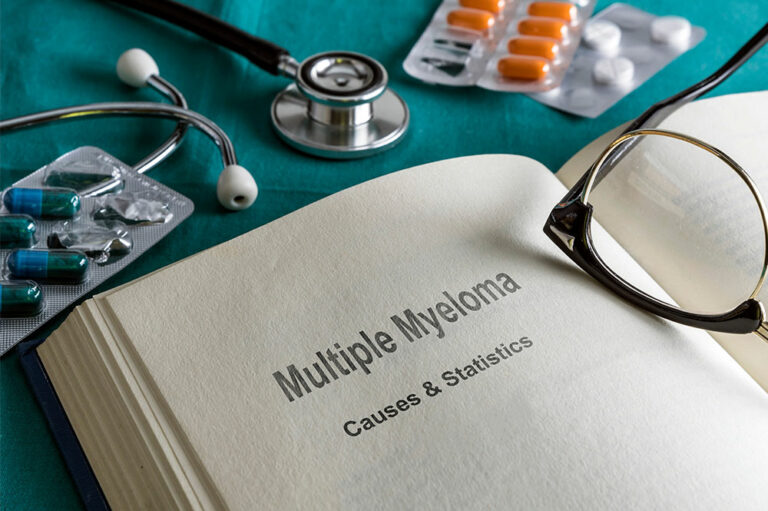
Multiple myeloma is a type of cancer affecting the plasma cells in the bone marrow, which form an essential part of the immune system. While there is no cure for the disorder, many treatments help control and manage the symptoms so patients can maintain their quality of life. Read on to learn about a few early signs of multiple myeloma that can help diagnose the condition and seek appropriate treatment. Multiple myeloma – Signs to look out for Multiple myeloma is difficult to diagnose in the early stages. It is usually identified much later because patients do not show signs initially. Some may report vague symptoms that appear to have been caused by other conditions. Still, it is crucial to know the signs that could indicate a possibility of multiple myeloma. Those who experience the following should visit a doctor as soon as possible and undergo the necessary tests to rule out the condition: Bone pain One of the most common signs of multiple myeloma is bone pain. Those with this disorder may notice pain in the back, ribs, and hips. It can be consistent and dull and worsen with movement. The pain is usually a result of the multiplication of cancerous plasma cells in the bone marrow.
Read More
Top 10 foods for glowing skin

Top 10 foods for glowing skin

When it comes to skin health, beauty indeed starts from within. Improvement in health can ensure aid in one’s skin care efforts and refine their appearance. Most experts recommend a nutritious and balanced meal for better skin as nutrient-dense foods can help prevent skin problems and damage. This can help people get one step closer to achieving flawless and glowing skin. So, here are the best foods to have for healthy and beautiful skin: The link between skin and food choices While it is difficult to define glow in precise terms, glowing skin can be characterized as one that is evenly toned, hydrated, has a smooth texture, is not inflamed, and is neither too dry nor too oily. Nutritious and balanced meals can help you get glowing skin as what you eat and avoid directly impacts the skin. A good skin care regimen includes having the right foods to provide adequate nourishment and hydration to the skin. Some fruits and vegetables can also help fight various problems like acne, dark spots, and allergies. Foods rich in vitamins A, C, D, and E, collagen, and omega-3 fatty acids are crucial for healthy skin. Best foods to have Walnuts Walnuts offer multiple skin care benefits.
Read More
4 vitamins to maintain eye health

4 vitamins to maintain eye health

The eyes are complex organs; they require vitamins, minerals, and nutrients to function properly. Deficiencies in any of these elements can lead to an increased risk of developing eye diseases and conditions. These include glaucoma, macular degeneration, and even night blindness, which can compromise vision and degrade eye health. Here, we discuss four vitamins that are important to eye health and the foods that are rich sources of these vitamins. Vitamin A Vitamin A is essential to eye health. It helps in maintaining the cornea, ensuring a person has clear vision. The cornea is the layer that covers the iris and pupil. Individuals with vitamin A deficiency may experience dry eyes, which are caused due to a lack of moisture. Certain studies also indicate that low levels of vitamin A can lead to night blindness. Vitamin A is also a component of an essential protein known as rhodopsin. This protein is what allows us to see in low or poor light conditions. Beta carotene is the primary source of vitamin A. It is found in various colorful fruits and vegetables, such as sweet potato, squash, red peppers, and carrots. Vitamin C It is another important element when it comes to eye health.
Read More
7 simple exercises to do at home

7 simple exercises to do at home

Exercising is an essential part of staying healthy. Regular movement allows us to strengthen the muscles, improve balance, regulate sleep cycles, and maintain the overall health of the mind and body. But, making time to go to the gym or taking a workout class is not always a feasible option for everyone. But, no need to fret. Here are seven easy-to-do exercises that will keep you fit and can be done every day at your convenient time. Squats Squats are one of the simplest and most productive exercises you can do anywhere. All you need to do is stand straight with your feet shoulder-width apart. You then engage your core and bend the knees while drawing your hips back. Keep going until your thighs are parallel to the floor, and return to the starting position. You can repeat this exercise or hold it for a period of time. Planks Planks help to strengthen the core and stabilize the abdominal muscles. It is super easy to do. Start by planting your hands and toes on the floor. Keep your back straight and your abdominal muscles tight. Hold this position and ensure that your gaze lies in front of your hands. Keep your chin tucked, and do not look at your feet.
Read More

Read Also

Know more about exciting & latest articles right here

Top 4 reasons for unnatural hair loss patterns

Top 4 reasons for unnatural hair loss patterns

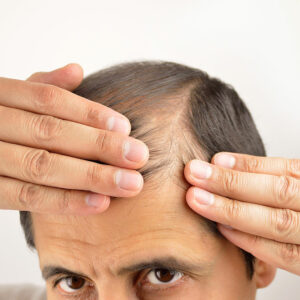
Hair loss is a natural process that automatically gets rid of old tissue and hair to promote new growth. So don’t be alarmed when you do find a few strands of hair tangled in your comb. However, a clearly visible scalp and a receding hairline are indicative of developing the problem of permanent hair loss. There are several internal and external factors that can accelerate hair fall, leading to pattern baldness in both men and women. Here are the top four reasons that trigger unnatural hair fall. Stress Stress ranks among the top risk factors associated with many medical conditions. In fact, one way or the other, taking physical or psychological stress harms the body more than you can imagine. For hair loss, especially, excessive shedding starts right after the body undergoes physical or psychological distress. A few examples include experiencing high fever, blood loss due to accident or injury, or even post-surgery recovery can result in stress that causes hair loss. Stress, coupled with anxiety, results in accelerated hair loss. To cope with this problem and reduce its effects, stress management is of crucial importance. Hormonal changes Men and women both experience hormonal changes throughout their lifetime. However, an imbalance associated with various conditions can trigger hair loss.
Read More
Learn about these 3 types of hearing loss

Learn about these 3 types of hearing loss

Hearing loss, deafness, or impairment is the partial or total inability to hear sounds. People with low to moderate hearing impairment face challenges in understanding what the other person is saying in a noisy environment. Whereas, people with severe deafness cannot hear anything, and rely completely on lip-reading and sign language skills. There are three main types of hearing loss: sensorineural, conductive, and a combination of both. Let’s understand these types in detail and learn about the causes, symptoms, and treatments of each type. Sensorineural hearing loss It’s the most common type of hearing loss. Sensorineural is permanent hearing loss often caused by damage to the tiny hair cells that line the inner ear or the auditory nerve. The damage stops or weakens the transfers of nerve signals to the brain. These signals are essentially the intensity and clarity of sounds. Causes: Aging and exposure to loud noises for a long period of time are the most common cause of the damage. Certain medications and illnesses can also increase risks. It can even be genetic, and pass on to the child in the mother’s womb. Treatment: There is no medical or surgical treatment available to repair the tiny hair cells once they’re damaged.
Read More
Simple lifestyle changes that reduce the risk of heart diseases

Simple lifestyle changes that reduce the risk of heart diseases

The heart is the most crucial organ in the body and as the system will cease to function if the heart stops or loses momentum pumping fresh oxygenated blood. This is why it is vital to not neglect your heart health at all and responsibly maintain a healthy, stress-free, and more importantly, a happy lifestyle. Here are a few simple lifestyle changes that will help support a healthy heart function. Switch to a healthy diet Avoid eating foods that are rich in trans and saturated fats. Most foods you find on the shelves of the supermarket contain large quantities of one or the other. Instead, switch to low-fat high fiber alternatives to help manage cholesterol. Maintaining a healthy cholesterol level in the body automatically reduces the risk of heart diseases. The simple reason for this is that fats that normally block major arteries and blood vessels are eliminated from these foods choices. It is also advisable to limit the salt (sodium) intake to control blood pressure and sugar to reduce the risk of diabetes simultaneously. Change certain lifestyle habits Reduce the number of alcoholic or carbonated drinks you have regularly. For men, it is advisable to have not more than two drinks and day and women must have only one.
Read More
How to distinguish between heartburn and GERD

How to distinguish between heartburn and GERD

Heartburn is an unpleasant, burning sensation in the chest that is more common than a lot of individuals realize. Pregnant women, older men, and even young adults experience it frequently. Despite it being such a prevalent experience, not many know that heartburn has actually nothing to do with the heart and everything to do with the stomach and the esophagus. Unsurprisingly enough, heartburn is also used interchangeably with GERD. But, before we get to deciphering heartburn and GERD, let’s understand what acid reflux is. What is acid reflux or GER? Acid reflux occurs when the lower esophageal sphincter or LES becomes weak, allowing the contents of the stomach to travel in the wrong direction, back up the esophagus. Acid reflux is also called GER or gastroesophageal reflux as it involves the stomach and esophagus. This condition can usually be resolved with over-the-counter medication. What is heartburn? Heartburn is a burning or painful sensation that is experienced in the chest. Since the lining of the esophagus is not as strong as the lining of the stomach, the acid from the stomach can cause a burning sensation in the chest. This pain or burning sensation that is heartburn can often be misconstrued for a heart attack.
Read More